Let Your Personality Type Shape Your Wedding
This essay explores how personality type, motivation and visual culture shape the way couples plan their wedding. It’s written for those who want a day that feels authentic and emotionally true — not just visually impressive. If you’ve ever felt disconnected from traditional Pinterest-driven wedding expectations, this guide offers a framework to help you design a wedding that reflects who you truly are.
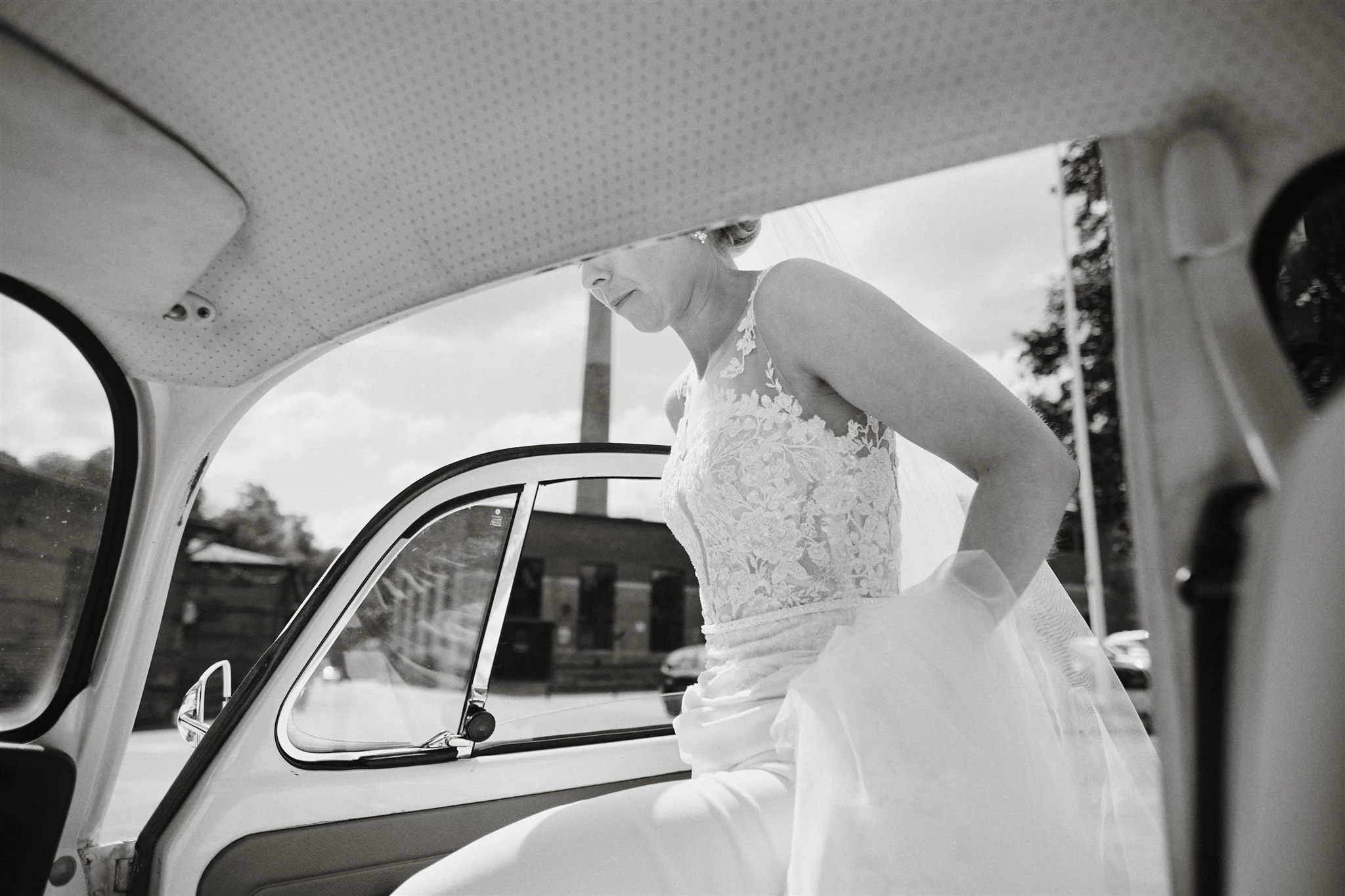
The same moment can carry entirely different meanings, depending on why it exists.
The George Clooney Scenario (and why it matters more than you think)
So, you’ve rented a lakeside luxury villa and the groom has put on the white tuxedo. You’ve spent a decent amount of time studying George Clooney’s spotless style — the relaxed confidence, the effortless elegance, the billionaire half-smirk.
You’ve taken your seasickness pills so you can cruise across Lake Como in the polished wooden boat without losing that carefully practised, nonchalant, confident look.
The photographer directs you both to embody the fantasy: just another day in the billionaire-on-Como lifestyle. You’re asked to look like you’re used to this situation and this lifestyle — on the first try.
And the photos come out exactly as planned: beautiful, cinematic, elevated. Like a Hollywood Clooney movie. It looks amazing and just as planned. “Sophisticated effortless elegance,” just as the Pinterest buzzwords for luxury weddings say.
Perfect.
But then the questions arise:
Is this really you?
And if not — what does this charade represent? Why is this visual manifestation important to you? What are you trying to say about yourself, and to whom are you actually speaking? Is it a representation of you are or is it a symbol of what you want your life to look like? But why? What does “looking like George Clooney” actually mean to you?
I think many couples can relate to this situation to some extent. Feeling the pressure or desire to look like a movie star. Dreaming of a luxury life by Lake Como, free from the hassles of everyday life.
Many couples slip into versions of these fairytale stories almost without noticing — not because they’re superficial, but because wedding culture makes it incredibly easy to plan around symbols, aesthetics, borrowed identities, and unchallenged narratives.
Before you know it, you’re living inside a visual script written by Pinterest, tradition, and the expectations of others.
Why understanding your personality type changes everything
As a wedding photographer with a deep interest in human psychology, I always encourage my couples to plan and create their wedding from who they truly are. To let each decision be an extension of their true selves — with all the quirkiness that might involve. It is far more interesting and meaningful to portray who you are, accepting and loving the way you are - than taking pictures of you looking like you do something you’re not, living a life you’re not. Better true-not-perfect than a polished false narrative that use rituals and Hollywood-style imagery to hide from what’s actually there.
Many couples don’t realise it at first, but the way you plan your wedding is not always a clear reflection of who you are — often because the tools, norms, and inspiration you rely on don’t help you plan from your true personality.
A simple question often reveals everything:
Are you planning your wedding based on who you truly are — or who you think you’re supposed to be?
This tension is universal. And psychology has a name for it.
Intrinsic vs extrinsic identity
Within psychology and behavioral science, a simple but powerful distinction is often used to understand motivation and decision-making.
Intrinsic orientation:
An intrinsically oriented person’s behaviour is driven by meaning, presence, connection, inner quality, and how something feels on the inside. They choose experiences because they matter to them — not because they signal anything to others.
Extrinsic orientation:
An extrinsically oriented person’s behaviour is driven by norms, expectations, appearances, and how something is perceived from the outside. They choose things because they “look right,” are expected, or fit a pre-defined image.
Neither is right or wrong — we all contain both — but understanding your centre of gravity helps you make decisions that feel aligned rather than forced.
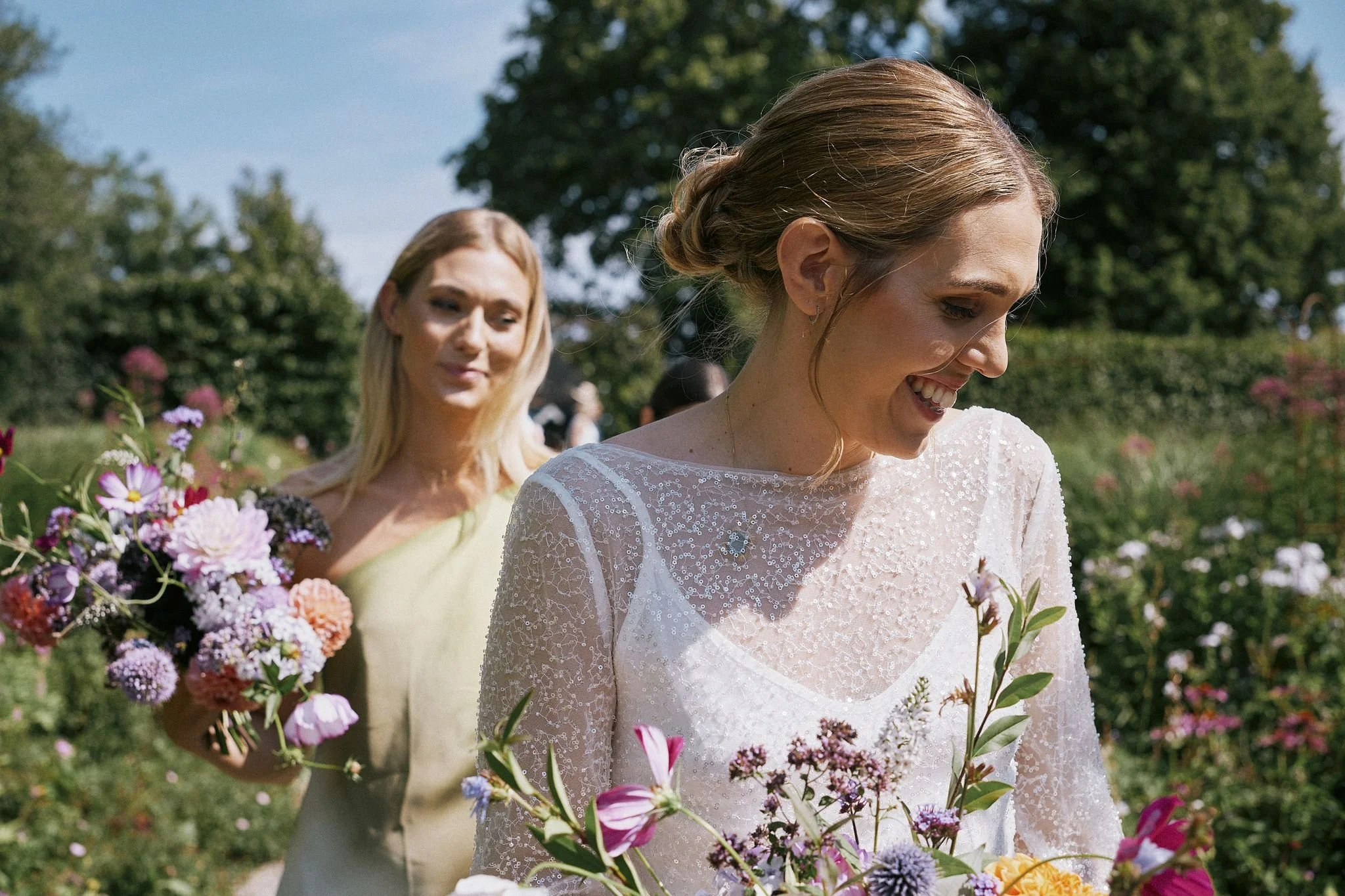
Beauty is easy to imitate. Intention is not.
Why some weddings feel effortless — and others feel like a performance
Imagine two people eating the same dinner — beef tenderloin and Amarone — but experiencing it through completely different motivational lenses.
An extrinsically oriented person cares primarily about the signal of quality: the prestige of Amarone, the status of beef tenderloin, whether the table setting photographs well. They may not notice if the pepper is stale or the butter slightly burned — because the meaning comes from what the meal represents socially rather than their actual enjoyment of the taste.
An intrinsically oriented person experiences quality from the inside out. They care about flavour, craftsmanship, subtlety, freshness, balance. They might invest in great salt or freshly cracked pepper — details that don’t change the visual impression at all, but completely transform the experience.
Same meal. Two realities. The difference isn’t taste — it’s motivation.
The Pinterest feedback loop nobody talks about
Here’s a simple way to understand it: Pinterest and Instagram are designed to reward what is visually striking, high-status, and performative. They naturally amplify extrinsic signals.
This makes it difficult for intrinsically oriented couples to find inspiration that aligns with them. The ideas they encounter are filtered through systems optimised for impressive images.
Pinterest and Instagram don’t just show weddings — they shape what couples believe weddings should look like.
The loop is simple:
You see what is popular
→ Algorithm feeds you more of the same
→ You assume this is what is expected
→ You search within that frame
→ Vendors create more of what appears to be in demand
→ The norm strengthens
For some couples, this is perfect. For others, it creates a quiet sense of alienation. They can’t articulate why — they just feel off.
These couples often come to me. They say:
“We don’t want it to feel stiff.”
“We want memories, not a photoshoot.”
“We don’t want to pretend to be a fairytale version of ourselves.”
They are expressing the conflict between intrinsic motivations and an extrinsic wedding culture.
A real couple I met — and how their “perfect plan” fell apart
I once met a couple who had done everything “right.” They had curated every detail, followed every recommendation, and built a wedding that checked every box of what a modern celebration should look like.
But when we sat down together, they confessed quietly:
“We’re not excited anymore. Nothing feels like us.”
They hadn’t failed at planning — they had planned from the wrong motivational framework. Without noticing it, they had been pulled into an extrinsic structure built on trends, expectations, Pinterest boards, and aesthetics that didn’t reflect who they were.
Our conversation didn’t touch visuals at all — no mood boards, no shot lists, no references. Instead we spoke about presence, truth, atmosphere, and what they genuinely wanted to experience.
They left saying:
“This changed everything. We’re going to start over.”
A few weeks later they told me they had redesigned their entire wedding around how they wanted to feel, rather than how it needed to look. They took up space in their own story again — moving from performance to experience, from extrinsic to intrinsic motivation.
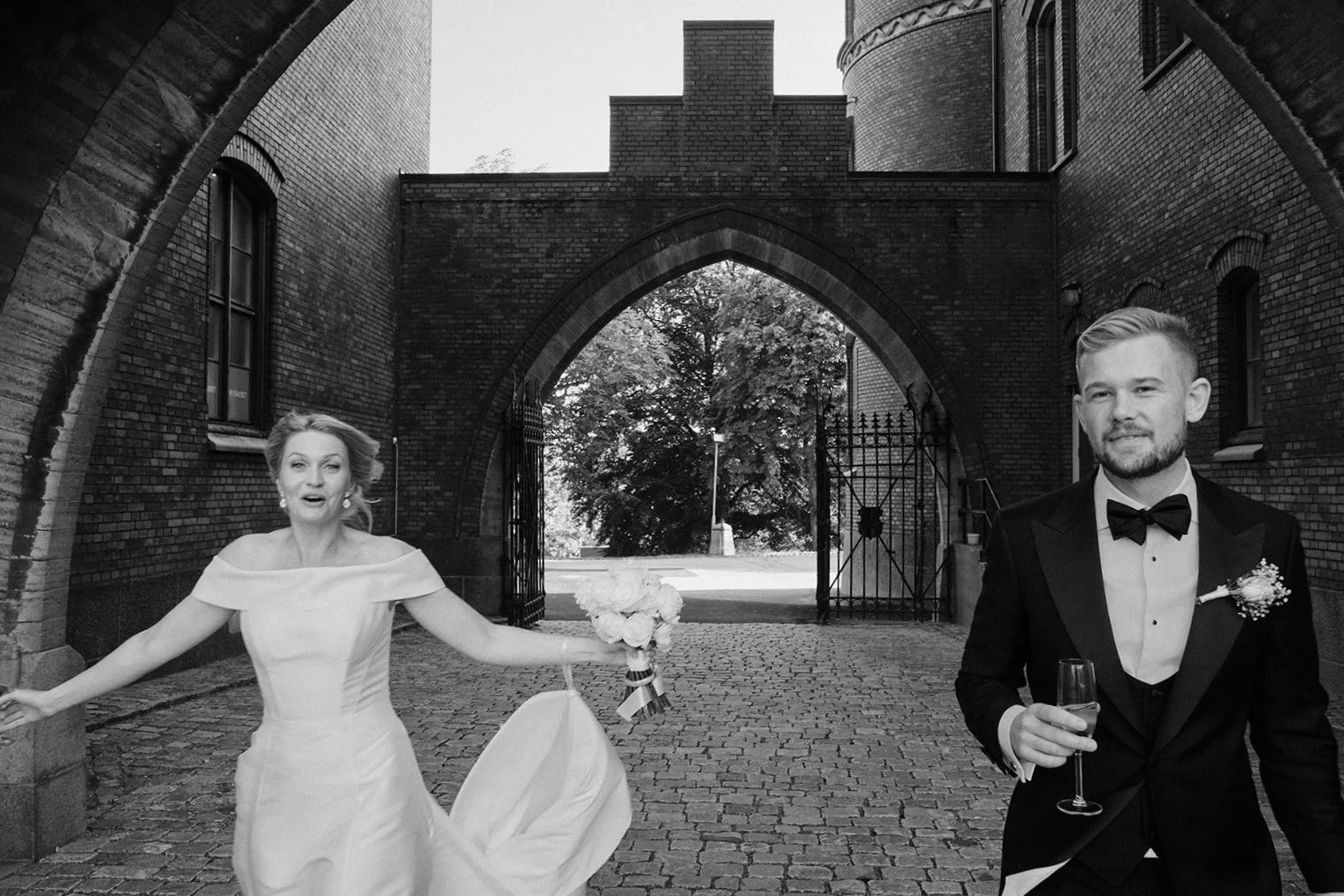
This is what happens when a wedding stops trying to impress — and starts to live.
When extrinsic expectations take over
A naturally intimate, present-oriented couple can end up planning a wedding built on spectacle, performance, and status simply because:
That’s how weddings are supposed to be”
Family expectations push in
Pinterest defines the narrative
Traditions go unquestioned
Fear of disappointment takes over
The result?
A day that looks perfect from the outside but feels disconnected inside. A day that hits the “right” notes but misses the couple’s own rhythm.
Practical guidance — how to apply this
It starts with one simple shift:
Plan your wedding from who you are — not from the visual scripts you’ve inherited.
This doesn’t mean choosing between luxury or simplicity. It means understanding why you’re drawn to something.
If you choose elegance or grandeur — let it be because it genuinely reflects your taste and story.
If you choose intimacy or stillness — let that choice come from your own truth.
It’s not about what you choose.
It’s about why you choose it.
To close the loop on the Clooney example:
Your right choice might be to step off the Como boat, pull off the tux, and end up at a tiny pizzeria in a hilltop village you fell in love with. A place that means something to you even if it impresses no one.
The photos from that evening might not look like Hollywood — but they may be the ones you’d save first from a burning house.
Because they represent who you are.
Because they carry memories you want to protect — not aesthetics you want to perform.
So, to be clear.
This is not about saying that minimalism is better than luxury.
It is not about ranking expressions, aesthetics, or styles as right or wrong.
It is about something else entirely.
About understanding why you choose what you choose —
and where that choice comes from.
Whether it comes from a good place.
From love, curiosity, and genuine desire.
Or whether it comes from fear.
From comparison, expectation, or the feeling that something needs to be proven.
The expression itself is never the point.
The intention — and the energy behind it — always is.
Before you go
If this perspective resonates with you, I invite you to explore my upcoming Wedding Stories — real moments where these ideas come alive in practice. They show how intrinsic, meaningful decision-making shapes not only the experience, but the photographs themselves.
If you'd like to explore these ideas further — whether for your own wedding, a creative collaboration, or simply a conversation — you're always welcome to reach out.
You can contact me here
Also feel free to leave a comment with some of your thoughts about this.
